All Categories
Featured
Maximizing Water Efficiency Through Automated Irrigation ...
Expert Commercial Sprinkler Repair Solutions and Maintenance


Your Proven Guide to Industrial Irrigation Upkeep
Table of Contents
Avoiding water loss from your soil Reducing the requirement for supplemental watering. Ending up off the total appearance of your landscape Some mulches are more pricey than others, and some are more ornamental. Apply around 3 inches of mulch under decorative plants in the landscape (prevent using excessive mulch since it motivates shallow roots) Location newspapers on the soil under organic mulch at planting time to enhance water conservation in the soil, completely soak newspapers after applying mulch Extend mulched locations two to three times the canopy spread of decorative trees and shrubs Once mulch is in location, utilize your hand to pull it back 2 to 3 inches away from the trunk of trees and shrubs (this will help prevent wood decomposing diseases) Throughout durations of limited rains, make sure sufficient mulch is preserved below plants Get rid of organic mulch from around plants and location newspapers 2 sheets thick on soil surfaces and reapply mulch (be sure to damp the papers thoroughly instantly after application or they might pull wetness from the soil) Mulch conserves wetness by avoiding evaporative water loss from the soil surface and lowering the requirement for supplemental watering during periods of limited infall.
When you apply a couple of basic water-saving methods to your landscaping plans, you can develop beautiful landscapes with much less water than you believe. Change your believing to the "lower water zone" and you'll have stunning yards and gardens throughout times of dry spell, as well as times of regular rainfall.

You don't have to be a professional to prepare a beautiful landscape. Step 1: Pull out the Sketchpad Planning For Maximum Growth With Minimum Water Step 2: Get Your Hands Dirty Easy Ways to Evaluate Your Soil Action 3: Choose the Right Plants Pick Plants with Similar Water Needs and Plant Together Step 4: Pick Your Turf Find Out Which Grass is Finest for Your Region Step 5: Go Into the Water Zone Plan for Efficient Watering Action 6: Apply the Finishing Touch Use Mulch to Prolong the Life of Plants Step 7: Test Your Green Thumb Careful Maintenance for a Great-Looking Lawn.
Proactive Canopy Management to Ensure Property Resilience
Outdoor water performance focuses on smart landscape choices, irrigation devices, controllers, and watering schedules. Outside usage is frequently the largest end-use of water in a neighborhood and is greatly influenced by weather.
Techniques include landscape transformations, optimized watering, smart technology, instructional outreach, land use policies, and rainwater reuse.
Water-efficient landscaping takes a simple, holistic approach to every step of developing a lawn that looks beautiful and conserves water. Incorporate 7 fundamental actions from preparation and style to long-term upkeep to accomplish optimal water savings. Excellent preparation and style are some of the most important steps for a waterwise landscape.
Choose native, waterwise plants and set yourself up for effective watering. Develop watering zones based upon plant type, soil type, and light direct exposure. Not sure where to begin? Choose a pro. Healthy soil is the foundation of water-efficient landscaping. It provides support, water, oxygen, and nutrients to plants and soil-dwelling organisms.
24/7 Tree Removal Services Across SoCal
Grass needs more water and maintenance than many other plants. Different plants need various amounts of water, sun, and shade to prosper.
Get waterwise plant resources and suggestions on how to water any kind of landscape efficiently. The best waste of water is watering too much, frequently. Overwatering wasteful and it can likewise damage your plants and soil. Use the Weekly Watering Number to get recommendations for how much to water each week.
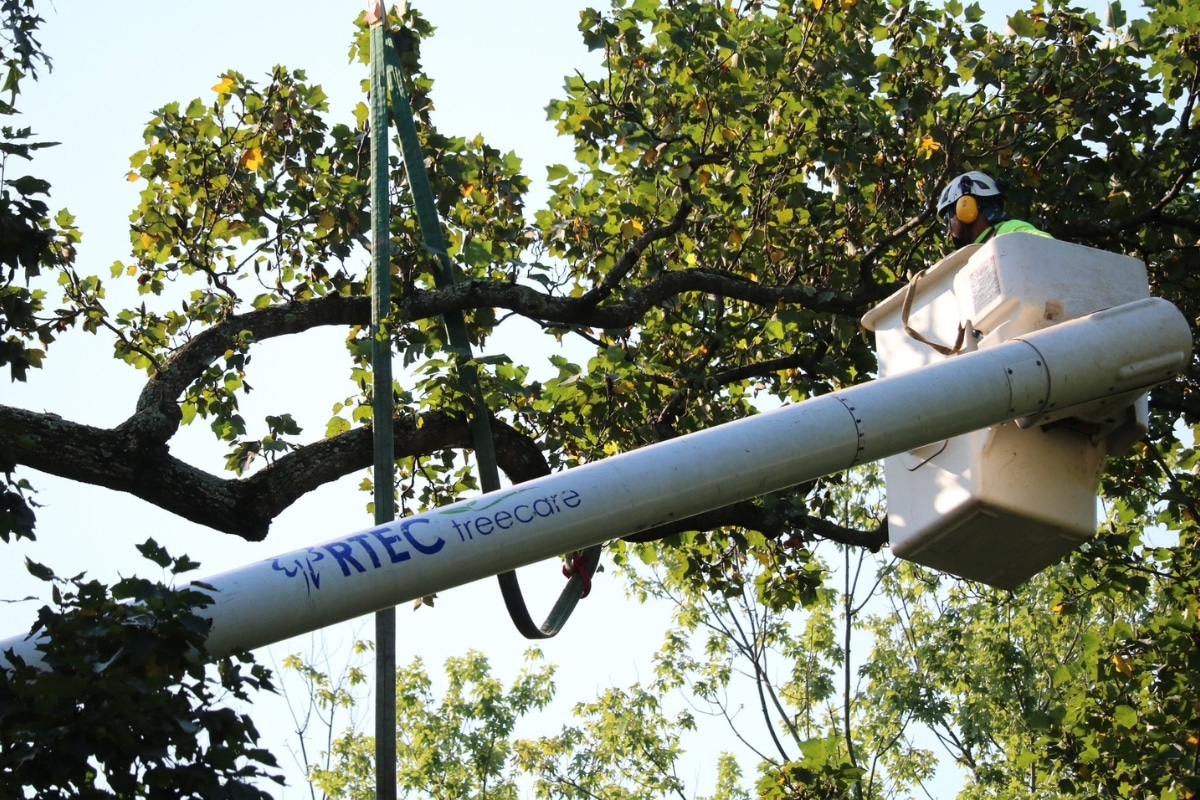
Commercial Tree PruningRegular upkeep will keep your plants healthy. It will make your landscape more resistant to various weather, pests, and disease.
Expert Watering System Installation and Support for 2026
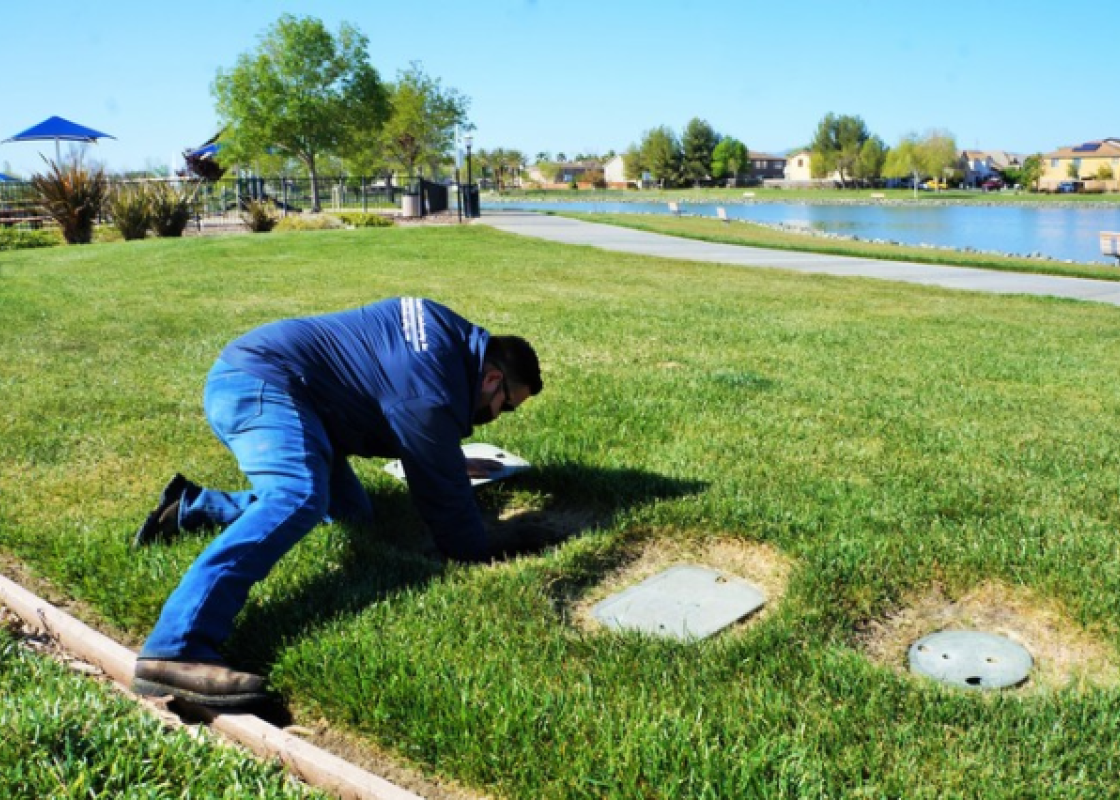
This will promote root growth and water absorption. as needed by hoeing or pulling them by hand. Weeds complete with plants for nutrients, light, and water. your mower to a greater setting. A taller lawn supplies shade to the roots, so your yard requires less water. your watering system for leaks, broken lines, and damaged sprinkler heads.

Table of Contents
Latest Posts
Maximizing Water Efficiency Through Automated Irrigation Upgrades
Your Proven Guide to Industrial Irrigation Upkeep

Expert Commercial Sprinkler Repair Solutions and Maintenance
Latest Posts
Maximizing Water Efficiency Through Automated Irrigation Upgrades
Your Proven Guide to Industrial Irrigation Upkeep
Expert Commercial Sprinkler Repair Solutions and Maintenance